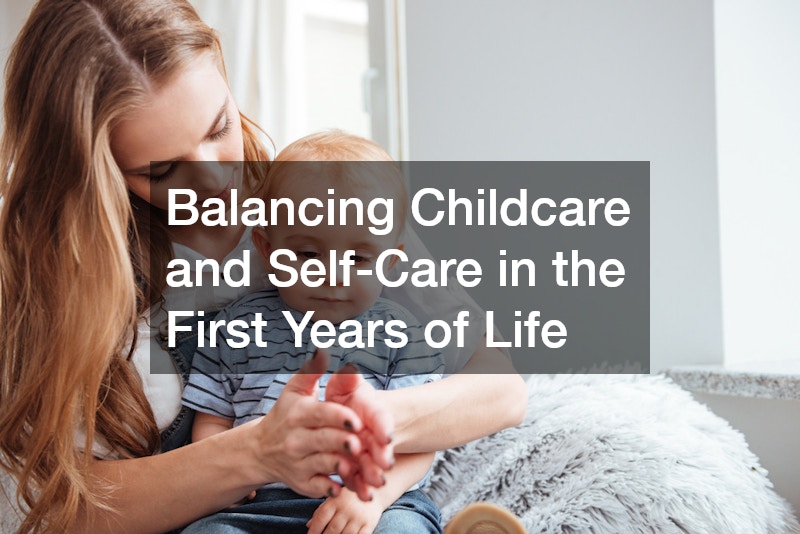
The arrival of a new baby transforms your world in ways that are both breathtaking and completely overwhelming. In those first few years of life, your days and nights blur into a continuous cycle of feeding, soothing, and diaper changes. It is easy to lose your own identity in the beautiful, consuming task of raising a human being. The phrase “you cannot pour from an empty cup” sounds like a cliché until you find yourself running on two hours of sleep, trying to comfort a crying infant while your own stress levels skyrocket. Balancing the intensive demands of nurturing a child with the absolute necessity of maintaining your own physical and mental well-being is not a luxury; it is the foundation of healthy parenting.
True self-care in the early years of parenthood is rarely about extravagant weekend getaways or hours of uninterrupted pampering. Instead, it is about intentional, small practices woven into the fabric of your daily routine that keep you grounded, healthy, and emotionally resilient. When you prioritize your own wellness, you are not taking away from your child; you are giving them a version of yourself that is patient, present, and capable of handling the inevitable challenges of early childhood. Let us explore how you can realistically establish this harmony, protecting your health while providing the absolute best for your little one.
Reclaiming Your Physical Well-Being Postpartum

The physical toll of pregnancy, labor, and the subsequent months of carrying a growing child is immense. New parents often ignore persistent aches, assuming they are just a standard part of the postpartum period. However, addressing your physical recovery is a critical component of personal maintenance that directly impacts your ability to care for your infant.
-
Postpartum healing involves addressing structural, muscular, and metabolic changes.
-
Early therapeutic intervention prevents acute discomfort from becoming chronic pain.
Consulting an Expert for Restoring Core and Pelvic Strength
Many women experience issues like core weakness, back pain, or incontinence after childbirth, yet they suffer in silence. Seeking targeted professional help can drastically alter your recovery trajectory. Incorporating pelvic floor therapy into your postpartum recovery plan can help rehabilitate the deep muscles that supported your body through pregnancy, ensuring you regain your strength and stability for the long haul.
Managing Structural Pain from Holding and Feeding Your Baby
The repetitive motions of lifting an infant, bending over cribs, and hunching during feeding sessions can throw your musculoskeletal system out of alignment. If you find yourself dealing with chronic neck pain or a misaligned spine, scheduling an appointment with a certified chiropractor can provide immense relief. These structural adjustments help alleviate nerve pressure and joint stiffness, making it much easier to lift and carry your growing child without constant discomfort.
Creating a Personalized Rehabilitation and Movement Plan
Returning to physical activity after having a baby requires a gentle, guided approach to avoid injury. Working alongside a dedicated physical therapist allows you to identify specific muscular imbalances and safely rebuild your functional fitness. They can provide you with targeted exercises that strengthen your upper back, glutes, and core, transforming your daily parenting movements from painful chores into opportunities for functional strengthening.
Exploring Medical Support for Long-Term Health Goals
Sometimes, the metabolic shifts and lifestyle disruptions of early parenthood make it incredibly difficult to return to a weight where you feel energetic and healthy. Some parents choose to discuss modern metabolic treatments with their healthcare providers, exploring options like affordable semaglutide shots to assist with sustainable weight management and overall metabolic health. When combined with nutritious eating and regular movement, this type of medical support can give parents the energy boost they need to keep up with an active toddler.
Nurturing Your Mental and Emotional Health

The emotional landscape of early parenthood is a rollercoaster of intense joy and sudden anxiety. Between hormonal fluctuations and chronic sleep deprivation, keeping your mental health steady requires deliberate daily strategies.
Practicing Micro-Moments of Mindfulness Throughout the Day
You do not need an hour of silence to find mental clarity. Instead, focus on grounding yourself during everyday tasks.
-
Take three deep, belly breaths every time you wash your hands or prepare a bottle.
-
Feel the sensation of warm water on your skin during your five-minute shower, consciously letting go of your mental to-do list.
-
Listen intently to the sounds around you during a morning stroller walk, focusing entirely on the present moment rather than future worries.
Establishing Healthy Boundaries with Family and Visitors
Protecting your peace means learning to say no to demands that drain your limited energy. It is perfectly acceptable to limit the number of visitors in the early months or to ask guests to help with a household chore rather than just holding the baby. Setting clear boundaries around sleep schedules and visitation hours ensures that your household remains a calm, predictable environment where both you and your infant can thrive without external pressure.
Creating Community and Accepting Practical Support
Isolation is one of the greatest enemies of parental well-being. Human beings were never meant to raise children in complete isolation, and building a reliable support network is essential for sharing both the emotional and physical loads of child-rearing.
-
Shared parenting experiences reduce the psychological impact of clinical isolation.
-
Celebrating micro-milestones anchors your family to positive memories during tough phases.
Celebrating Milestones with Loved Ones to Boost Morale
Marking joyous occasions gives you something exciting to look forward to and brings a sense of normalcy back into your social life. When planning early celebrations or gatherings for your expanding family, choosing accessible baby shower venues that handle the logistics for you can take the stress out of hosting. Surrounding yourself with a supportive community during these milestone events reminds you that you are backed by a village of people who care about your family’s happiness.
Setting Up a Mutual Care Exchange with Neighborhood Parents
Connect with other local families to create informal childcare trades. Swapping a few hours of watching each other’s kids allows one parent to run errands, attend a doctor’s appointment, or simply nap in a quiet house. This arrangement creates a trusted environment for your child while providing you with regular, predictable blocks of free time without the financial burden of hiring professional babysitters.
Designing a Predictable Routine that Benefits Everyone

Children crave predictability, and honestly, so do parents. While rigidity can lead to frustration, establishing a flexible daily rhythm can drastically reduce decision fatigue and create natural pockets of time for parental rejuvenation.
-
Consistency in the household reduces childhood anxiety and tantrums.
-
Automating recurring domestic responsibilities saves valuable cognitive energy.
Syncing Quiet Time with Your Child’s Natural Sleep Windows
Treat your child’s nap time as sacred space for your personal restoration rather than a cue to tackle a mountain of housework. Commit to using at least the first thirty minutes of their sleep cycle to do something that brings you joy or relaxation, whether that is reading a book, drinking a hot cup of coffee, or taking a nap yourself. The laundry and dishes can wait; your mental decompression cannot.
Simplifying Household Chore Systems to Save Time
Streamline your daily maintenance tasks so they do not consume your entire evening. Use a rolling chore system where you focus on just one specific area of the house per day, rather than trying to clean everything at once. Invest in time-saving kitchen appliances, practice batch-cooking freezer meals on weekends, and accept that a slightly messy living room is a perfectly normal and acceptable trade-off for a well-rested parent.
Preparing for the Future and Early Learning
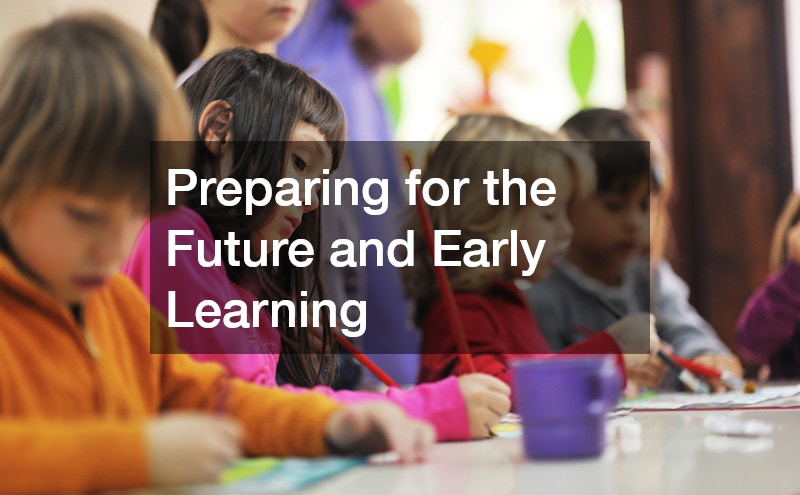
As your infant grows into a toddler, their developmental needs evolve rapidly. Transitioning into the world of early childhood education can feel daunting, but finding the right environment for your child can open up massive amounts of personal time for your career or self-care.
-
High-quality early classrooms facilitate critical peer socialization skills.
-
Enrolling your toddler frees up structured, reliable intervals for career growth.
Investigating Structured Early Learning Environments
Enrolling your child in a structured program provides them with vital socialization while giving you reliable blocks of time to focus on your own personal growth or professional goals. Finding a high-quality preschool offers your child a safe space to develop foundational cognitive and emotional skills under the guidance of trained professionals, allowing you to step away with complete peace of mind.
Selecting an Educational Institution that Aligns with Your Core Values
For many families, the ideal learning environment includes a strong moral framework alongside traditional learning metrics. If faith-based guidance is central to your family life, looking for a program that offers an enriching Christian education can ensure that your child is learning kindness, community values, and spiritual principles from their very first classroom experiences.
Choosing Top-Tier Learning Facilities for Cognitive Growth
The environment where your child spends their formative years plays a massive role in shaping their curiosity and love for learning. Doing your research to identify the best kindergarten options in your area guarantees that your child will benefit from low student-to-teacher ratios, stimulating play areas, and an age-appropriate curriculum that prepares them beautifully for elementary school.
Prioritizing Academic Excellence and Holistic Care
If you are looking for an educational path that offers long-term continuity, specialized resources, and a highly structured curriculum, a private school might be the perfect fit for your family’s needs. These institutions often provide robust extracurricular activities and individualized attention that can help identify and nurture your child’s unique talents from a very young age.
Introducing Global Perspectives and Language Skills Early
In an increasingly interconnected world, introducing cognitive challenges early can set your child up for future success. If you live in a multicultural hub, looking into multi-language classes in Singapore can expose your young child to linguistic diversity during the critical window of language acquisition, boosting their brain development while giving you dedicated hours of free time during the week.
Cultivating a Restorative Identity Outside of Parenting
It is easy to forget who you were before you became responsible for another life. Reclaiming pieces of your pre-baby identity is not selfish; it is an essential component of psychological wellness that prevents burnout and resentment.
-
Adult interaction keeps you connected to broader intellectual pursuits.
-
Creative outlets provide a sense of achievement independent of domestic tasks.
Rekindling Forgotten Hobbies in Short Intervals
Dedicate just fifteen to thirty minutes a week to an activity that has absolutely nothing to do with parenting. Dust off your musical instrument, pick up a sketchbook, sketch out a creative writing piece, or tend to a small garden. Engaging in a hobby activates different areas of your brain, reminding you that you are an individual with unique passions, skills, and interests separate from your parental role.
Prioritizing the Partnership with Your Significant Other
If you are raising a child with a partner, the health of your relationship directly impacts the emotional climate of your home. Schedule regular date nights, even if they consist entirely of ordering takeout and putting away phones after the baby goes to sleep. Consistently checking in with each other as partners, rather than just as co-managers of a household, strengthens your emotional bond and ensures you remain a unified team.
The pressure to be a perfect parent in the modern world is immutable, fueled by curated social media feeds and conflicting advice. True balance begins when you let go of unrealistic expectations and treat yourself with the same kindness you extend to your child.
The first few years of your child’s life are a profound transition period for your entire household. By intentionally tending to your body’s physical recovery, setting boundaries, building a supportive community, and choosing excellent early care environments, you create a sustainable lifestyle where both you and your child can flourish. Remember that taking care of yourself is an integral part of taking care of your baby. When your little one looks at you, they do not need a flawless parent; they simply need a happy, healthy, and present one. Let go of the guilt, accept the help, and honor the incredible work you are doing every single day.