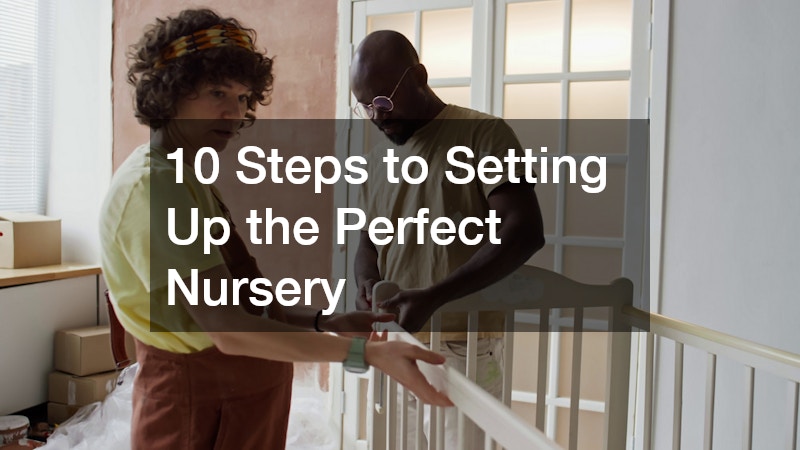
Creating a nursery for your little one is both exciting and overwhelming. There are so many decisions to make, from the color palette to furniture, décor, and practical considerations. But the most important thing is creating a space that is safe, comfortable, and functional. To help guide you, we’ve broken the process into 10 essential steps so you can build a nursery that works perfectly for your family.
Step 1: Ensure Air Quality
Before you even bring in furniture or toys, it’s crucial to make sure the nursery is a healthy environment. Babies are extremely sensitive to dust, allergens, and indoor pollutants, so starting with clean air is essential. Even if the room looks fine, hidden dust, pet dander, or pollen trapped in vents and ducts can irritate a newborn’s lungs and trigger allergies.
One of the most effective ways to improve air quality is by scheduling air duct cleaning before your baby arrives. Over time, dust, mold spores, and other debris can accumulate in your HVAC system and circulate through the room, even if you vacuum regularly. Cleaning your air ducts removes these contaminants and ensures that the air your baby breathes is as fresh and safe as possible.
Other practical steps to enhance air quality include:
-
Open windows to ventilate the room and let in fresh air, weather permitting.
-
Vacuum and dust thoroughly, paying special attention to corners, vents, blinds, and any hard-to-reach areas.
-
Consider replacing HVAC filters with high-quality, HEPA-style filters to capture allergens more effectively.
-
Keep the nursery free from strong chemical cleaners, scented candles, or air fresheners that could irritate your baby’s lungs.
Proper air quality not only helps your baby breathe easier but also creates a fresh, inviting space for you as a parent. Remember, a nursery should be a place where everyone feels calm and comfortable, and clean air sets the foundation for a safe and healthy environment from day one.
Step 2: Prioritize Electrical Safety
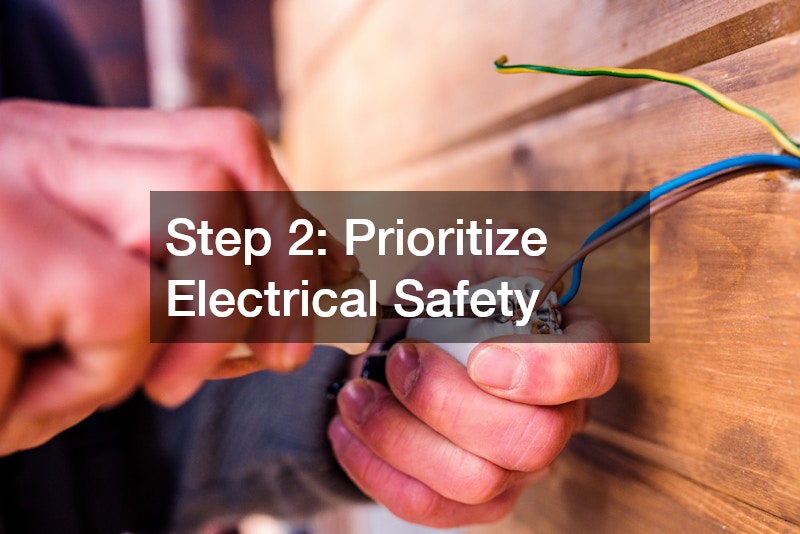
Electrical hazards are a major concern in any nursery. Babies are naturally curious and will eventually reach for anything they can touch, so ensuring outlets, cords, and wiring are safe is absolutely critical. A poorly planned electrical setup can lead to shocks, fires, or damage to devices, so taking the time to get it right is essential for both safety and peace of mind.
-
Check all outlets for safety and cover unused outlets with tamper-resistant caps.
-
Inspect cords, plugs, and power strips for fraying, exposed wires, or damage. Replace any faulty items immediately.
-
Ensure all lighting fixtures are securely installed, and keep lamps or nightlights out of reach of little hands.
-
Avoid running cords across high-traffic areas to prevent tripping hazards.
If you’re unsure about your home’s wiring, especially in older homes, it’s always wise to consult a professional electrician. They can inspect your outlets, switches, and circuits, install child-safe features, and provide recommendations to prevent potential hazards. Hiring an expert not only ensures your nursery is safe but also gives you the confidence that your baby’s environment is secure and reliable.
A well-planned electrical setup lays a strong foundation for everything else in your nursery, from lighting to essential devices, and ensures your little one can explore safely as they grow.
Step 3: Maintain Comfortable Temperature
Babies are extremely sensitive to temperature changes, so creating a consistently comfortable environment is key. The nursery should neither be too hot nor too cold, and airflow should be balanced to prevent stuffiness or drafts. A stable temperature helps your little one sleep better, stay healthy, and feel secure throughout the day.
-
Make sure your heating and cooling systems are functioning properly. If your air conditioner is not performing efficiently, schedule professional ac repairs to ensure consistent airflow and temperature control.
-
Check for drafts around windows and doors, and seal any gaps to prevent cold or hot air from affecting the room.
-
Use fans, heaters, or humidifiers carefully to maintain a steady, comfortable climate.
-
Keep a thermometer in the nursery to monitor the temperature and adjust as needed.
Consistency is crucial — sudden fluctuations can disturb sleep, irritate your baby, and even affect their health. By maintaining a stable and pleasant temperature, you create a safe, cozy environment where your child can rest, play, and grow comfortably.
Step 4: Upgrade Windows for Safety and Insulation
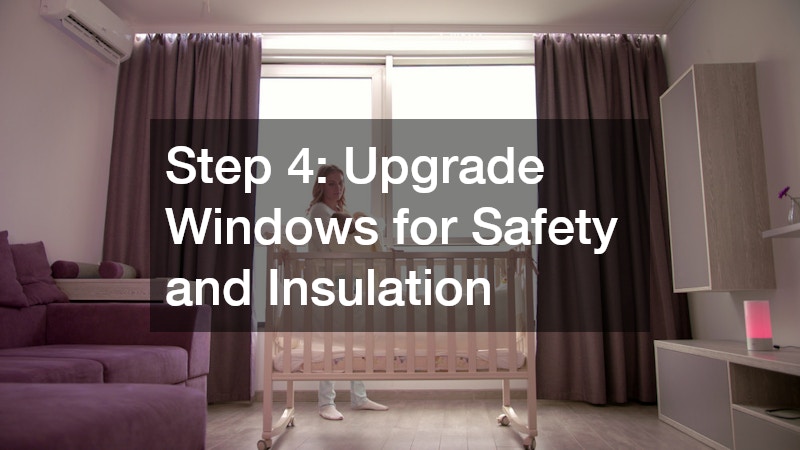
Windows are more than just an aesthetic feature; they play a big role in safety, comfort, and energy efficiency. Old or poorly insulated windows can let in drafts, noise, and even pose a hazard if they’re loose or difficult to operate. Upgrading them helps create a safe, quiet, and comfortable environment for your baby, while also improving the overall functionality of the nursery.
-
Inspect all existing windows for cracks, gaps, or difficulty opening and closing. Any damage could affect insulation or become a safety risk.
-
Ensure windows lock securely to prevent accidents, especially in rooms above ground level.
-
Consider installing replacement windows if the current ones are outdated, inefficient, or unsafe. Modern windows can provide better insulation, reduce noise, and keep the nursery at a stable temperature.
-
Add weather stripping or sealant around window frames to further prevent drafts and energy loss.
Well-chosen windows do more than protect against weather — they enhance the nursery’s comfort, safety, and quiet atmosphere. By addressing window quality early, you ensure a secure and pleasant space where your baby can sleep, play, and grow.
Step 5: Choose Safe and Easy-to-Clean Flooring
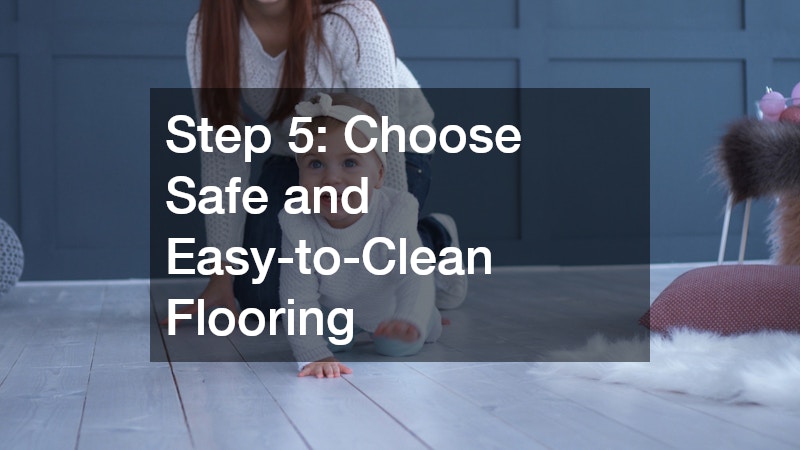
Flooring is one of the most important elements of a nursery. Babies spend a lot of time on the floor crawling, playing, and exploring, so it’s essential to choose a surface that is comfortable, safe, and easy to maintain. The right flooring can make day-to-day life easier for parents while keeping your little one protected.
-
Avoid slippery materials and prioritize traction and stability to prevent accidents as your baby starts crawling and walking.
-
Choose surfaces that are easy to clean in case of spills, diaper mishaps, or other messes that inevitably happen in a nursery.
-
Consider padding or soft area rugs in play areas to provide extra comfort and safety for your baby.
-
Durable, resilient options like luxury vinyl plank flooring combine style with functionality. They are scratch-resistant, easy to wipe clean, and often softer underfoot than traditional hardwood, making them ideal for high-traffic areas.
Selecting the right flooring sets a strong foundation for the entire nursery, ensuring your baby can play freely and safely while you enjoy a practical, low-maintenance surface. The right choice blends safety, comfort, and style to create a space both you and your child will love.
Step 6: Plan the Nursery Layout Thoughtfully
Once the room is safe and functional, it’s time to think carefully about the layout. A well-planned nursery makes daily routines smoother, helps avoid hazards, and creates a comfortable, inviting space for both you and your baby.
-
Place the crib away from windows, vents, or heavy furniture to reduce risks and maintain airflow.
-
Keep frequently used items like diapers, wipes, and clothing close to the changing area for convenience.
-
Allow ample space for movement, whether for you during diaper changes or for your baby as they begin crawling and exploring.
If you have specific needs or limited space, consulting a custom furniture maker can be a game-changer. They can design pieces tailored to your nursery layout, maximizing storage while keeping pathways clear and the room functional. Custom solutions ensure that even small nurseries feel open, organized, and perfectly suited to your family’s needs.
Taking the time to visualize and plan the nursery layout not only prevents unnecessary adjustments later but also guarantees that the space is practical, efficient, and comfortable for everyone.
Step 7: Organize Storage Efficiently
A well-organized nursery is essential for stress-free parenting. With so many small items to store—diapers, clothes, toys, and feeding supplies—having a system in place can make a huge difference in day-to-day life. Efficient storage keeps clutter off the floor, creates a calm environment, and makes it easier to find what you need when you need it.
-
Use shelving, bins, and drawers to separate categories of items.
-
Label storage containers for quick and easy identification.
-
Keep frequently used items within reach, while storing less-used items out of the way to save space.
For a more polished and functional solution, install custom cabinets. These can be designed to fit your nursery perfectly, providing tailored storage for clothing, toys, and supplies while maximizing floor space. Custom cabinets also add a clean, cohesive look to the room, making it both practical and visually appealing.
By organizing storage efficiently, you’ll spend less time hunting for things and more time enjoying your baby’s company, all while maintaining a serene, clutter-free nursery.
Step 8: Choose Soothing, Baby-Friendly Décor
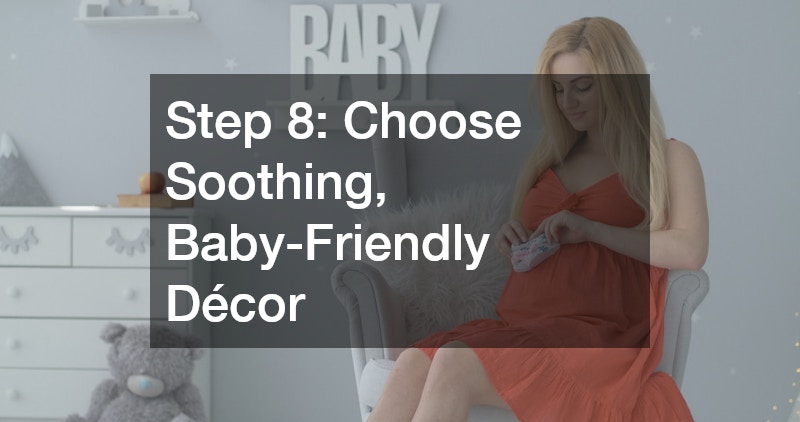
The nursery’s décor has a huge impact on the overall vibe and mood. Choosing colors, textures, and patterns that are gentle and soothing helps create a space that feels welcoming, cozy, and safe for your little one. Thoughtful design can also support better sleep and a calm environment for both baby and parents.
-
Soft colors and neutral tones can promote relaxation and help your baby sleep more peacefully.
-
Accent walls or gentle patterns add visual interest without overwhelming the room, providing stimulation that’s engaging but not stressful.
-
Avoid décor items with small parts, sharp edges, or choking hazards to keep the space safe.
-
Incorporate tactile and soft elements, such as plush rugs, cozy blankets, and pillows, to make the nursery inviting and comfortable.
If you want to make a bold yet soothing statement, consider using tropical wallpaper on one wall. Patterns with leaves, soft florals, or subtle tropical motifs can create a playful, serene atmosphere that works beautifully with neutral tones elsewhere in the room. This approach gives your nursery personality while maintaining a calming environment for your baby.
Well-chosen décor doesn’t just make the nursery look good — it can influence comfort, sleep, and mood. Thoughtful touches like wall art, mobiles, and soft textiles help complete the space, making it both functional and aesthetically pleasing.
Step 9: Shop Smart for Nursery Materials
When selecting furniture, textiles, and other nursery items, it pays to shop smart. Choosing quality materials and well-designed pieces can make a big difference in safety, durability, and ease of maintenance, ensuring your nursery is both functional and beautiful.
-
Look for furniture that meets safety standards and is age-appropriate for your baby’s needs.
-
Choose washable or easy-to-clean fabrics for bedding, upholstery, and play mats to make everyday cleanup easier.
-
Compare prices, read reviews, and prioritize items that are built to last, rather than opting for quick fixes that may wear out or break.
-
For rugs, non-slip mats, or soft flooring solutions, visiting a flooring store can be a great way to find durable, safe, and stylish options that complement your nursery design.
By shopping thoughtfully and strategically, you invest in products that are safe, functional, and stylish, making your life easier while creating a welcoming, comfortable space for your baby. Smart choices now can save both time and money later.
Step 10: Finish with Baby-Safe Painting
Finally, the finishing touches bring the nursery together and make the space feel complete. When painting walls or updating finishes, it’s essential to prioritize non-toxic, baby-safe materials to protect your little one’s health. A carefully painted room sets the tone for comfort, safety, and style in the nursery.
-
Choose paints labeled as low-VOC or zero-VOC to minimize harmful fumes and ensure the air remains safe for your baby.
-
Apply multiple coats evenly for a smooth, clean finish that enhances the room’s overall appearance.
-
Ventilate the nursery thoroughly during and after painting to allow any lingering odors or fumes to dissipate.
-
If you’re unsure about proper techniques or want a professional-quality finish, hiring an interior painting contractor can be a smart move. They have the experience to apply paint safely, efficiently, and beautifully, giving your nursery a polished look while ensuring baby-safe standards.
Proper painting and finishing techniques not only improve the aesthetic of the nursery but also protect your baby’s health. A freshly painted, safe, and inviting space ensures the nursery is ready for years of comfort, play, and cherished memories.
Wrapping Up
Setting up a nursery can feel like a big project, but breaking it down into 10 clear steps makes the process manageable. Start with safety and air quality, address temperature and structural considerations, then move into layout, storage, décor, and finishing touches.
By following these steps, you can create a nursery that is:
-
Safe for your baby to explore and grow in
-
Comfortable for both baby and parents
-
Functional for everyday routines
-
Beautiful and calming, reflecting your family’s style
Taking the time to plan carefully ensures your nursery is not just a room, but a welcoming, nurturing environment where your baby can thrive.