
Moving with a family involves much more than transporting boxes from one address to another. Parents may be coordinating work schedules, school changes, medical records, utilities, packing, cleaning, and countless small decisions at the same time. Children may also be dealing with uncertainty about leaving familiar routines, friends, teachers, and neighborhoods behind. A well-organized plan can reduce some of that stress by breaking the move into manageable stages and making sure every family member knows what to expect.
The smoothest moves usually begin several weeks before moving day. Families can create a timeline for sorting belongings, hiring services, transferring records, and researching the new community. It also helps to identify which tasks require professional assistance and which ones can be handled gradually at home. By planning ahead, families can avoid trying to make major decisions during the busiest final days.
Relocation is also a good time to think beyond the move itself. Getting settled means establishing healthcare, education, household services, furniture, and community connections. Preparing for these needs before arrival can make the first few weeks in a new home feel more stable and familiar. With practical planning, clear communication, and the right local resources, families can focus less on last-minute problems and more on building a comfortable routine in their new surroundings.
Build a Moving Timeline That Works for Everyone
A family moving plan should begin with a realistic calendar. Start by working backward from the moving date and assigning tasks to specific weeks. Early priorities may include gathering quotes, notifying a landlord or preparing a home for sale, transferring utilities, collecting records, and deciding what should be packed first. Later weeks can focus on final packing, cleaning, and confirming arrangements.
Hiring a local moving company early can help families understand available dates, pricing, and service options. Busy moving periods can fill quickly, particularly during weekends, holidays, and summer months. Families should provide accurate information about the size of the home, stairs, large furniture, special items, and the expected travel distance so estimates reflect the actual work involved.
Some households may also benefit from a moving and storage service when move-out and move-in dates do not line up. Temporary storage can provide flexibility when downsizing, renovating, or waiting for a new home to become available. Knowing that certain belongings can be stored securely may reduce pressure to make rushed decisions about what to keep.
The schedule should leave room for unexpected issues. Weather, closing delays, illness, and last-minute repairs can disrupt even a careful plan. Building extra time into the calendar can make those complications easier to handle.

Involve Children in Age-Appropriate Ways
Children often adjust better when they understand what is happening and feel included in the process. Parents can explain the move in simple, honest terms and give children opportunities to ask questions. Younger children may benefit from seeing pictures of the new home, while older children may want more information about their school, neighborhood, or activities.
Packing can also become a family task. Children can sort toys, choose what to donate, decorate boxes, or prepare a small bag of favorite items for moving day. Giving them manageable responsibilities can help the move feel like something they are participating in rather than something that is simply happening to them.
Education is one of the biggest concerns for many families. Parents may need to compare private schools, public options, and other programs before choosing the best fit. Families with younger children may also research an early childhood center that offers the schedule, educational approach, and location they need. For school-age children, comparing k-8 schools can help parents understand class sizes, transportation, extracurricular activities, and enrollment requirements.
School records should be transferred as early as possible. Families may also want to contact teachers or administrators before the first day so children know where to go and what to bring. A little preparation can make a new school environment feel less intimidating.
Prepare the New Home Before Moving Day
Whenever possible, families should complete basic cleaning and repairs before furniture and boxes arrive. Empty rooms are easier to vacuum, scrub, paint, and inspect. Families can check locks, smoke alarms, lighting, outlets, plumbing fixtures, and appliances before the home becomes crowded with belongings.
Professional house cleaning services can be useful when time is limited or when a home needs deeper cleaning before move-in. Kitchens, bathrooms, floors, cabinets, and other high-use areas can be addressed before the family begins unpacking. Starting with a clean home may make the transition feel more organized and reduce the number of tasks waiting after moving day.
Families should also think about safety. Secure medications, cleaning supplies, tools, and sharp objects as soon as they arrive. If young children are part of the household, install gates, outlet covers, cabinet locks, or other safety devices before normal routines begin.
The first night is easier when essentials are separated from general moving boxes. Pack bedding, towels, toiletries, chargers, medications, basic kitchen items, children’s comfort items, pet supplies, and a change of clothes in clearly labeled containers. Keeping these boxes accessible prevents families from opening dozens of cartons just to find one necessary item.
Sort Belongings Before Packing Everything
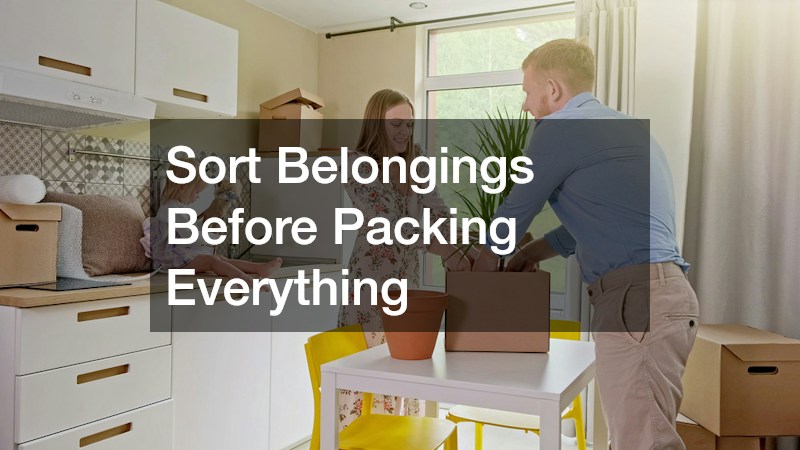
Moving is an opportunity to decide which belongings are still useful and which ones no longer need to make the trip. Packing fewer items can reduce moving costs, simplify unpacking, and make the new home easier to organize. Families can work room by room and sort possessions into categories such as keep, donate, sell, recycle, and discard.
Large or damaged items can be difficult to manage through ordinary trash collection. A junk pick up service may help remove unwanted furniture, broken equipment, old mattresses, renovation debris, or other bulky items before moving day. Scheduling removal early can prevent unwanted belongings from taking up valuable space while movers are trying to work.
Children can participate by choosing toys, books, or clothing they have outgrown. Parents may find it helpful to set reasonable limits rather than asking children to make too many decisions at once. Sentimental items can be packed separately and clearly labeled to reduce the risk of accidental disposal.
Decluttering also provides a clearer picture of what the family will need after the move. Homeowners may discover that certain furniture will not fit the new floor plan or that additional storage will be necessary. Making those discoveries before moving day allows for more deliberate decisions.
Plan Furniture Around the New Space
Furniture placement can influence how quickly a new house begins to feel comfortable. Before the move, families can measure major rooms, doorways, hallways, and staircases. Comparing those measurements with existing furniture can identify pieces that may be difficult to move or unsuitable for the new layout.
A simple floor plan can help determine where large items should go before movers arrive. Knowing the intended location of beds, sofas, dining tables, desks, and dressers can reduce unnecessary lifting and rearranging. Labeling boxes by room also helps movers place items where they belong from the start.
If the new home requires additional pieces, visiting local furniture stores can give families an opportunity to compare sizes, materials, prices, and delivery options. It is often better to live in the new space briefly before buying everything at once. Daily routines may reveal that a room needs more storage, a smaller table, or a different seating arrangement than originally expected.
Families should prioritize essential furniture first. Beds, seating, dining surfaces, and functional storage usually matter more during the first weeks than decorative pieces. Gradually adding items allows the home to develop around actual needs instead of rushed assumptions about how each room should look.

Establish Healthcare in the New Community
Healthcare is another important part of settling into a new area. Families should gather medical, dental, prescription, vaccination, and insurance information before moving so records are easy to transfer when needed. Keeping copies of essential information accessible during the move can be helpful if someone needs care before all records have been fully transferred.
Finding a local physician can give family members a familiar point of contact for routine care, referrals, preventive visits, and ongoing health concerns. Parents may want to review office hours, insurance participation, appointment availability, location, and hospital affiliations when comparing options.
Dental care should be established as well. A family dental clinic that serves both adults and children can make scheduling routine appointments more convenient for households with several family members. Families can ask about preventive services, emergency policies, age ranges, and how previous dental records should be transferred.
Medication planning is especially important during relocation. Refill necessary prescriptions before moving, update pharmacy information, and keep medications with the family rather than packing them onto a moving truck. Families managing ongoing medical needs may also want to identify urgent care centers, pharmacies, hospitals, and specialists near the new home before they are needed.
Make Moving Day Easier to Manage
Moving day can be hectic, so families should simplify the schedule as much as possible. Confirm arrival times with movers, keep important documents together, charge phones, and make sure everyone knows the basic plan. One adult can coordinate with movers while another focuses on children, pets, or final checks if enough help is available.
Children may be safer and more comfortable away from the busiest parts of the move. Families might arrange for relatives, friends, or childcare to help for several hours. If children stay on-site, designate a safe area away from doors, heavy furniture, and active loading zones.
Keep snacks, water, paper towels, basic tools, trash bags, and cleaning supplies accessible. Families should also carry valuables, identification, financial documents, medications, keys, and irreplaceable items themselves. These possessions should not be buried in boxes or placed where they could accidentally be loaded onto the truck.
Before leaving the old home, walk through every room, closet, cabinet, attic, basement, garage, and outdoor area. Check that windows are closed, utilities are handled as planned, and nothing has been left behind. At the new home, direct boxes to labeled rooms rather than stacking everything in one location. Good organization during unloading can save hours of work later.

Settle In Gradually and Build New Routines
Families do not need to unpack and organize the entire home immediately. Start with bedrooms, bathrooms, and the kitchen so everyone can sleep, get ready, prepare meals, and return to basic routines. Less important boxes can wait until the household has recovered from the busiest part of the move.
Children often benefit from familiar routines during this period. Regular meals, bedtime habits, school preparation, and favorite activities can provide consistency while everything else feels new. Parents can also explore nearby parks, libraries, recreation programs, and community events to help children become more comfortable with the area.
Practical household tasks should be handled gradually as well. Update addresses, register vehicles if necessary, confirm school transportation, organize recycling and trash schedules, and identify nearby grocery stores, pharmacies, and service providers. Creating a short weekly checklist can make these responsibilities feel less overwhelming.
Families can also make the adjustment easier by creating a few positive traditions around the new home. A first dinner together, a neighborhood walk, or an evening spent choosing where favorite photos should hang can give everyone a sense of ownership. Older children may want to help organize their rooms, while younger children can choose small details such as bedding, storage bins, or decorations. These simple choices make the house feel personal more quickly. Parents should expect the transition to take time, especially if the move involved changing schools or leaving close friends. Patience, familiar routines, and regular conversations can help the household gradually feel fully settled.
A smooth family move is not measured by how quickly every box disappears. It is about creating enough structure that family members can adjust without feeling constantly rushed. By planning the move carefully, preparing the new home, finding essential community resources, and giving everyone time to settle, families can turn a complicated relocation into a more manageable transition. The goal is not perfection on the first day, but a steady path toward feeling comfortable, organized, and at home together.