Hosting an elegant event on private property offers an unmatched level of intimacy, personalization, and warmth. Transforming a family estate, backyard, or private residence into a sophisticated venue allows hosts to curate every detail to match their unique vision. However, unlike commercial event spaces that come equipped with built-in commercial kitchens, guest restrooms, robust power systems, and experienced on-site staff, hosting at home requires building an entire event ecosystem completely from scratch.
Coordinating multiple independent vendors on private residential property demands meticulous planning, clear communication, and precise logistical management. From managing residential power grids and vehicle load-in access to ensuring guest comfort and seamless culinary delivery, successfully executing an upscale residential event relies entirely on strong vendor synergy. When vendors operate in isolation without clear property guidelines, challenges such as blown electrical circuits, parking bottlenecks, and delayed food service can quickly derail an otherwise beautiful gathering. This guide outlines the essential steps to coordinate vendor teams, streamline property logistics, and host an effortless, highly sophisticated event at home.
Establishing Property Logistics and Essential Infrastructure
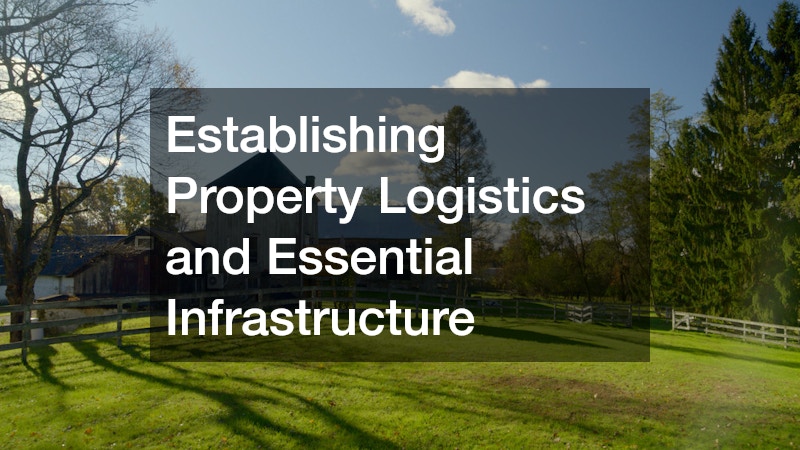
Before booking live entertainment, selecting floral installations, or finalizing custom menus, hosts must evaluate their property’s physical capabilities and infrastructure constraints. Private residential grounds rarely possess the native power capacity, spatial flow, or plumbing systems needed to support large crowds and high-demand commercial vendor equipment without temporary reinforcements. Conducting an early structural assessment prevents costly mid-planning adjustments and guarantees that your vendor team operates safely and efficiently.
Establishing this baseline requires viewing your home through the eyes of a professional event producer. You must consider how heavy delivery trucks will access narrow residential driveways, where staff will store back-of-house supplies out of guest sight lines, and how utilities will be distributed across the lawn. By addressing these foundational elements first, you create a stable framework that allows all subsequent creative and hospitality elements to shine.
-
Conduct a Comprehensive Property Walkthrough: Map out clear functional zones for guest seating, entertainment stages, culinary prep areas, vendor load-in routes, and guest parking. Walk the grounds with key vendor leads to identify uneven terrain, low-hanging tree branches, or underground irrigation lines that could interfere with heavy equipment placement.
-
Upgrade Power and Electrical Distribution: Commercial sound rigs, catering warmers, and specialty lighting consume far more electricity than standard residential outlets can provide. Hire a certified electrician or professional rental provider to install silent, commercial-grade generators and temporary distribution boxes, ensuring heavy-duty vendor equipment does not trip household circuit breakers during the event.
-
Secure High-End Guest Comfort Solutions: Elevate outdoor comfort beyond basic home amenities by arranging a luxury bathroom trailer rental that provides climate control, flushing porcelain toilets, running water, full-length mirrors, and private stalls. Placing these self-contained units on a flat, accessible surface keeps household plumbing from getting overwhelmed while maintaining an elevated standard of luxury for your guests.
-
Coordinate Waste and Sanitation Logistics: Large events generate significant waste that standard residential trash bins cannot accommodate. Strategically position discreet, covered waste and recycling receptacles throughout the event space, and schedule post-event haul-away services to clear garbage immediately after the celebration concludes.
-
Address Neighborhood and Municipal Guidelines: Notify adjacent neighbors well in advance regarding event dates, anticipated street parking, and elevated noise levels. Secure necessary municipal permits for street parking, temporary structures, and late-night noise to avoid surprise visits from local law enforcement.
Managing Food, Beverage, and Culinary Operations
Food and beverage service forms the cornerstone of any memorable celebration, but residential kitchens are rarely designed to handle high-volume catering operations. Coordinating your culinary team requires matching your preferred dining style—whether a multi-course plated dinner, an interactive buffet, or family-style platters—with your property’s physical layout and equipment capabilities.
Catering teams working in private backyards must often build a temporary field kitchen, complete with convection ovens, prep tables, handwashing stations, and refrigeration units. Coordinating these requirements means aligning electrical setups, water sources, and staging zones so that chefs, bartenders, and service staff can execute service smoothly without disrupting the guest experience.
-
Designate a Dedicated Catering Work Zone: Set up a covered, well-lit prep station adjacent to the main dining space, ideally concealed behind professional screening or foliage. This area should feature direct access to service pathways, firm ground for staging hot holding cabinets, and dedicated electrical drops to keep dishes at ideal temperatures.
-
Evaluate Full-Service Catering Teams: Partner with experienced catering companies accustomed to setting up mobile field kitchens on private property without relying on residential appliances. Professional caterers know how to manage food safety protocols, temperature controls, and timed course plating in non-traditional outdoor environments.
-
Incorporate Interactive Culinary Stations: For a modern, dynamic, or relaxed gathering, integrate premium food truck services to offer late-night gourmet bites, artisanal desserts, or specialized regional concepts alongside or after formal dining service. Ensure food trucks have wide driveway access, reinforced parking surfaces, and independent power hookups to prevent exhaust fumes and noise near guest seating.
-
Establish Clear Bar and Beverage Timelines: Coordinate alcohol deliveries, ice storage, glassware rentals, and certified bartender staffing to maintain continuous, professional service throughout the event. Calculate required ice quantities based on ambient outdoor temperatures, ensuring separate clean ice for cocktails and bulk ice for cooling bottled beverages.
-
Implement Efficient Table Service Workflows: Design service aisles between tables that are wide enough for waitstaff to navigate comfortably with large serving trays. Review dish clearance routes to guarantee dirty tableware is returned directly to the hidden prep area without passing through high-traffic guest zones.
Designing Layout, Shelter, and Outdoor Flow
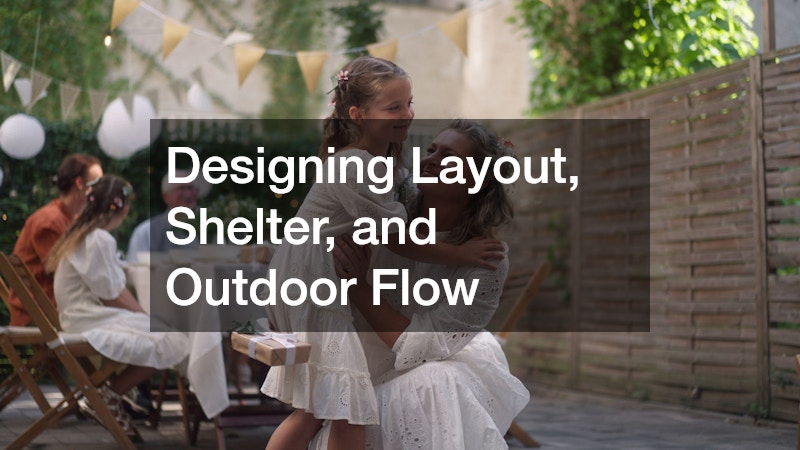
Creating an elegant outdoor atmosphere requires protecting guests from unpredictable weather conditions while establishing a natural, logical physical flow across your lawn or gardens. An effective layout guides guests intuitively from one experience to the next—from cocktail hour on the patio to formal dining under a marquee, and finally to dancing under the stars.
Tenting serves as both functional weather protection and the aesthetic anchor of a residential event. However, installing large temporary structures on private lawns demands precise coordination between tenting specialists, landscapers, and utility companies. Proper planning ensures that shelter elements enhance the natural beauty of your property without damaging subterranean utilities or delicate garden features.
-
Select Appropriate Shelter and Tenting: Choose clear-span, sailcloth, or frame tents that complement your estate’s architecture and fit securely within your yard’s dimensions. Ensure the tent vendor conducts a site survey to stake structures safely without piercing underground sprinkler lines, fiber-optic cables, or septic systems.
-
Optimize Property Navigation: Use custom pathway signage, ambient string lighting, and direct transport solutions, such as custom golf carts, to comfortably shuttle guests or elderly family members across expansive grounds. Transport vehicles also assist staff in moving heavy equipment, rentals, and ice rapidly across large properties without physical strain.
-
Arrange Temporary Facilities for Large Crowds: Ensure adequate capacity for multi-hour gatherings by placing luxury portable restrooms in accessible, well-lit, yet unobtrusive locations. Positioning facilities along paved or firm walkways ensures guests in formal footwear can access them easily without stepping onto wet or muddy turf.
-
Create Distinct Social Zones: Divide the grounds into dedicated spaces for cocktail reception, formal seated dining, high-energy dancing, and quiet lounge conversations. Using outdoor rugs, lounge furniture clusters, and strategic lighting helps define each zone and encourages guest movement throughout the evening.
-
Plan for Temperature Management: Equip outdoor spaces with commercial patio heaters or subtle radiant heating units for cool evening temperatures, or high-velocity misting fans and portable air conditioning units for warm summer gatherings. Coordinate power requirements for climate control systems early in the design process.
Elevating Entertainment and Sound Systems

Live music and high-quality audio bring unmatched energy and emotion to home celebrations. However, managing professional entertainment in a residential setting involves balancing audio quality with neighborhood noise restrictions and physical spatial constraints. Unlike commercial halls acoustically engineered to contain sound, open-air residential settings allow audio to travel freely across property lines.
Coordinating live bands, acoustic ensembles, or DJs requires establishing clear technical expectations long before showtime. Musicians need flat, dry, and stable performance surfaces, clean and unfluctuating power, and adequate space for instrument cases and AV mixing boards. Managing these technical details ensures your entertainment keeps the energy high while keeping your event fully compliant with local guidelines.
-
Coordinate Stage and Sound Equipment Needs: Confirm flat, stable, and covered staging areas along with dedicated power drops required by professional performers prior to event day. Moisture from morning dew or unexpected rain can ruin expensive instruments and electronic gear, making overhead cover essential for all outdoor stages.
-
Hire Premier Live Performers: Book an energetic, professional wedding band or live ensemble that understands how to manage acoustics and volume levels in an open-air residential setting. Experienced musicians know how to tailor their sound mix to fill the dance floor without overwhelming guests attempting to converse in adjacent lounge areas.
-
Adhere to Local Municipal Sound Ordinances: Review local noise curfews and position stage speakers inward toward the central lawn—away from neighboring residence windows—to avoid sound bleed. Setting clear contractual finish times for high-volume amplification keeps your event on schedule and prevents neighbor disputes.
-
Establish Detailed Vendor Production Schedules: Synchronize sound checks, light testing, and performance set times with dinner service to avoid awkward operational overlaps. Sound checks should be completed well before guests arrive on the property to maintain an atmosphere of effortless elegance.
-
Provide Dedicated Green Room Amenities: Designate a private indoor room or comfortable outdoor tented space where musicians, performers, and technical crew can rest, change, and consume meals during breaks. Caring for your entertainment team ensures they deliver peak performance throughout your event.
Integrating Full-Service Event Professionals and Final Execution
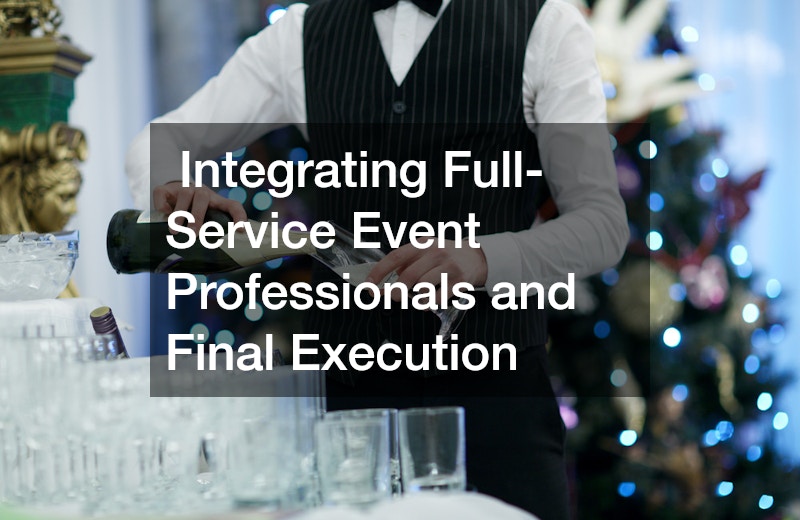
When transforming a private home into a high-end event space, seamless coordination during final execution relies on unified vendor leadership and rigorous schedule adherence. On the day of the event, dozens of independent professionals—florists, caterers, lighting technicians, drivers, and musicians—will arrive on your property simultaneously. Without a central director and a clear master plan, vehicle congestion and overlapping setup needs can create chaotic delays.
Establishing a centralized command structure ensures that every vendor understands their precise setup window, vehicle parking assignments, and operational boundaries. By adopting proven systems from commercial hospitality venues, private hosts can sit back and enjoy their own celebration, confident that every logistical detail is being managed by seasoned professionals.
-
Establish a Master Vendor Timeline: Distribute a minute-by-minute master schedule to every vendor weeks in advance, detailing specific load-in windows, staging locations, staff parking rules, setup completion deadlines, and post-event strike times. Staggered arrival times prevent delivery trucks from blocking narrow residential streets or driveways.
-
Consult Commercial Venue Experts for Insights: Look to established operational best practices from a commercial event center or traditional venue for wedding operations to adapt professional load-in, safety, and staff protocols for your private residence. Utilizing professional load-in checklists, fire safety clearances, and emergency contingency plans brings commercial-grade reliability to private grounds.
-
Implement High-Standard Professional catering: Ensure floor supervisors, bussers, and culinary staff are fully briefed on final guest counts, dietary restrictions, table assignments, and clearing workflows to maintain a refined, attentive dining environment. Professional service personnel should operate seamlessly, keeping tables clear and beverage glasses filled without intruding on guest conversations.
-
Deploy Luxury Sanitation Stations: Upgrade your property’s sanitation capacity further by incorporating self-contained restroom trailers with dedicated, discreet attendants who continuously restock luxury paper products, wipe down surfaces, and maintain pristine cleanliness throughout the night.
-
Execute a Clean, Systematic Post-Event Strike: Schedule vendor teardown teams to work efficiently during late-night or next-day windows, ensuring all temporary equipment, trash, and rental items are cleared safely. Conduct a final walkthrough of the lawn and garden grounds with your event planner to verify the property has been restored to its original condition.
Transforming your home or backyard into an elegant event venue allows you to create unforgettable, highly personal memories with family and friends. While residential entertaining presents unique logistical challenges, thorough preparation, robust infrastructure planning, and proactive vendor management turn potential obstacles into an effortless, luxurious experience.
By evaluating property infrastructure early, hiring experienced outdoor event vendors, securing essential guest amenities, and establishing clear communication channels, you can host a polished, professional-grade celebration on your own grounds. With thoughtful coordination, your property becomes the perfect backdrop for a sophisticated, stress-free event that leaves a lasting impression on every guest in attendance.