
Balancing work responsibilities, home obligations, and meaningful family time is one of the most common challenges modern households face. With demanding schedules, constant connectivity, and rising expectations in every area of life, many people feel stretched thin. The pressure to perform well at work while also being fully present at home can create tension, guilt, and exhaustion if not managed thoughtfully.
Finding balance does not mean giving equal time to every responsibility every day. Instead, it involves prioritizing what matters most in each season of life and creating systems that support those priorities. Balance looks different for every family depending on work schedules, children’s ages, and household needs. What matters most is creating intentional routines that reduce stress and support connection.
This guide explores practical strategies to help individuals and families manage work demands, household responsibilities, and quality family time without feeling overwhelmed. By focusing on structure, communication, boundaries, and flexibility, it’s possible to create a rhythm that supports both productivity and togetherness.

Understanding What “Balance” Really Means
Many people imagine balance as a perfectly even distribution of time, but real life rarely works that way. Some weeks require extra focus on work, while others demand more attention at home or with family. Balance is less about daily equality and more about long-term alignment with values.
Understanding personal priorities is the first step. For some families, shared meals matter most. For others, flexibility around school events or caregiving responsibilities takes precedence. Identifying what truly matters helps guide decisions when time feels limited.
Accepting that imbalance is sometimes unavoidable reduces unnecessary guilt. Balance is dynamic, shifting as circumstances change, and recognizing this helps families adapt without constant frustration.
Setting Clear Boundaries Between Work and Home
One of the biggest challenges in balancing responsibilities is blurred boundaries. Remote work and mobile technology make it easy for work to spill into family time. Establishing clear limits helps protect personal space and relationships.
Designating specific work hours and sticking to them as much as possible creates predictability. Communicating these boundaries to colleagues and supervisors sets expectations and reduces interruptions during personal time.
At home, creating physical or mental separation between work and family life helps signal transitions. Even small rituals, like changing clothes or taking a short walk after work, can help shift focus.
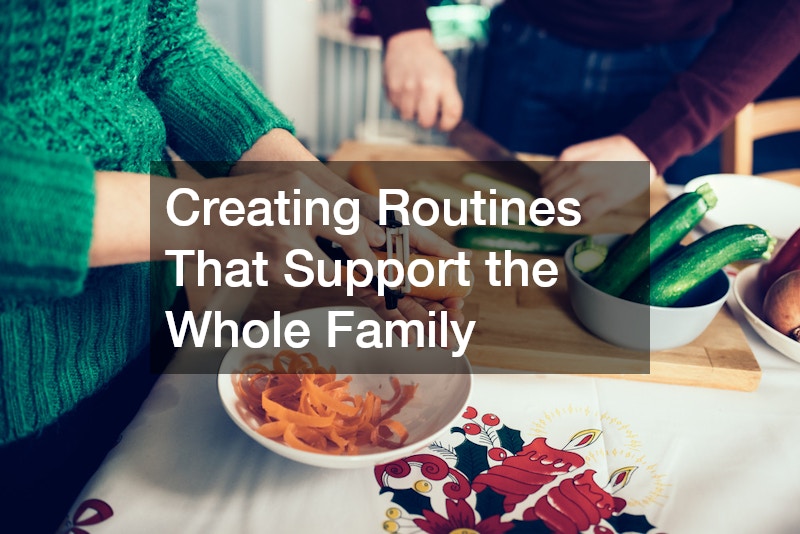
Creating Routines That Support the Whole Family
Routines provide structure and reduce decision fatigue. When everyone knows what to expect, daily life feels more manageable. Morning and evening routines are especially important for maintaining balance.
Consistent wake-up times, meal schedules, and bedtime routines help families stay organized. These routines don’t need to be rigid, but having a basic framework reduces stress during busy periods.
Family routines also create opportunities for connection. Regular check-ins, shared meals, or weekly planning sessions help everyone stay aligned and feel supported.
Managing Household Responsibilities More Efficiently
Household tasks often compete with work and family time, making balance harder to achieve. Streamlining these responsibilities frees up energy for more meaningful activities.
Dividing tasks among household members promotes shared responsibility. Even young children can participate in age-appropriate chores, which builds independence and reduces the load on parents.
Using tools like shared calendars, task lists, and reminders helps keep everyone organized. When responsibilities are clearly defined, fewer tasks fall through the cracks.

Planning for the Future to Reduce Stress
Long-term planning plays a role in maintaining balance. When families proactively address future needs, they reduce uncertainty and last-minute decision-making.
Some families choose to consult an estate planning lawyer to organize documents and clarify long-term wishes. Addressing these matters early provides peace of mind and reduces stress during already busy seasons of life.
Planning ahead allows families to focus on daily balance without lingering concerns about unresolved responsibilities.
Making the Most of Limited Family Time
Quality often matters more than quantity when it comes to family time. Intentional moments of connection can have a greater impact than long stretches of distracted time together.
Simple activities like shared meals, evening walks, or game nights help strengthen relationships. These moments don’t need to be elaborate to be meaningful.
Being fully present during family time—putting away phones and minimizing distractions—helps everyone feel valued and heard.

Supporting Children’s Education and Development
Balancing work and family often includes managing children’s educational needs. School schedules, homework, and extracurricular activities can quickly fill calendars.
Some families explore private preschools to align early education with work schedules and family values. Choosing the right environment can help ease daily logistics and support child development.
Open communication with educators helps families stay informed and anticipate upcoming commitments.
Managing Health and Wellness as a Family
Health needs are another important aspect of balance. Appointments, therapies, and self-care require time and coordination, especially in families with children.
Some families work with ADHD doctors to support children’s focus and emotional regulation. Scheduling appointments thoughtfully helps minimize disruptions to work and school routines.
Prioritizing health as a family reduces stress and supports long-term well-being.
Creating Comfortable and Functional Living Spaces
The physical home environment affects how easily families manage daily life. Space constraints and layout can either support or hinder balance.
Families living in two bedroom apartments often need creative organization solutions to maintain privacy and functionality. Thoughtful use of space helps reduce clutter and tension.
A well-organized home makes transitions between work, school, and family time smoother.
Protecting What Matters Most
Security and preparedness contribute to peace of mind, which supports a better balance overall. When families feel protected, they can focus on daily life without constant worry.
Reviewing home and auto insurance coverage helps families understand their protections and responsibilities. Knowing these details reduces stress during unexpected situations.
Proactive planning supports stability and confidence.
Planning for Unexpected Situations
Emergencies and disruptions can quickly throw off balance. Preparing for unexpected events helps families recover more quickly.
Some households invest in whole home generators to maintain essential systems during outages. This preparation helps minimize disruption to work and family routines.
Being prepared allows families to adapt more calmly when challenges arise.
Using Outdoor Spaces to Support Family Life
Outdoor areas provide opportunities for relaxation and connection. Making the most of these spaces enhances balance by encouraging downtime and shared activities.
Working with local pool contractors allows families to create outdoor environments that support recreation and stress relief. Access to enjoyable spaces at home reduces the need for constant scheduling.
Outdoor time also supports physical and emotional well-being.
Maintaining the Home Without Losing Balance
Home maintenance is an ongoing responsibility that can compete with work and family time. Addressing issues proactively helps prevent larger disruptions later.
Scheduling routine work with plumbing contractors keeps systems functioning smoothly and reduces emergency repairs. Planned maintenance is easier to manage than unexpected breakdowns.
Staying ahead of maintenance helps protect both time and resources.
Creating Safe and Private Boundaries at Home
Privacy and safety contribute to a sense of calm at home. Clear boundaries help families feel secure and relaxed in their own space.
Some homeowners work with fencing installers to create defined outdoor areas. These boundaries support safety for children and pets while enhancing privacy.
A secure environment allows families to enjoy their home without constant concern.
Using Food and Shared Meals to Connect
Meals offer natural opportunities for connection, even during busy schedules. Eating together encourages conversation and strengthens relationships.
Occasional outings, such as enjoying the best Chinese in town, can break routine and create shared experiences. These moments add variety without requiring extensive planning.
Shared meals support emotional connection and family culture.
Managing Work Expectations and Career Growth
Work demands often fluctuate, making balance challenging. Open communication with employers about availability and priorities helps set realistic expectations.
Flexibility, when available, allows families to adapt schedules around important events. Clear boundaries protect personal time while maintaining professionalism.
Career growth and family life can coexist when approached intentionally.
Teaching Children About Balance
Children learn about balance by observing adult behavior. Modeling healthy boundaries and time management helps them develop similar skills.
Involving children in planning and decision-making helps them understand trade-offs and priorities. These lessons support long-term resilience.
Teaching balance early helps children carry these skills into adulthood.
Adjusting Balance as Life Changes
Balance evolves as families grow and circumstances change. What works during one stage of life may not work during another.
Regular check-ins help families reassess routines and make adjustments as needed. Flexibility prevents frustration when old systems no longer fit.
Viewing balance as an ongoing process supports adaptability and patience.
Using Time Blocking to Reduce Daily Overwhelm
Time blocking is a practical strategy for balancing work, home, and family responsibilities without constantly feeling behind. Instead of reacting to tasks as they arise, time blocking assigns specific periods of the day to focused activities. This approach reduces mental clutter and helps prevent work from bleeding into family time.
By grouping similar tasks together, individuals can work more efficiently and with fewer interruptions. For example, dedicating a block of time to household management tasks—such as scheduling appointments or handling paperwork—prevents these responsibilities from scattering throughout the day. This containment frees up mental energy for family interactions later on.
Time blocking also creates visual boundaries. When family time is scheduled intentionally, it becomes easier to protect it from work-related intrusions. Over time, this structure builds consistency and reduces the guilt that often comes from feeling pulled in multiple directions.
Learning to Say No Without Guilt
One of the biggest threats to balance is overcommitment. Many people struggle to say no, especially when requests come from work, extended family, or community obligations. However, saying yes to everything often leads to burnout and resentment.
Learning to say no is not about disengaging from responsibilities but about protecting capacity. When commitments align with personal and family priorities, they contribute positively to balance. When they don’t, they create unnecessary strain.
Clear, respectful communication helps set boundaries without damaging relationships. Over time, consistently honoring limits teaches others to respect them as well, making balance easier to maintain.
Managing Digital Distractions at Home
Technology plays a significant role in modern life, but it can also interfere with family connections. Constant notifications, emails, and screen time make it difficult to be fully present, even during shared moments.
Establishing tech-free zones or times encourages deeper engagement. Many families choose to limit device use during meals, bedtime routines, or designated family activities. These boundaries help reinforce the importance of connection.
Managing digital distractions also supports mental health. Stepping away from screens allows individuals to decompress, improving focus and emotional availability for family interactions.
Sharing the Mental Load
The mental load of managing a household often goes unnoticed, yet it significantly impacts balance. Remembering appointments, tracking deadlines, and anticipating needs requires constant cognitive effort.
Sharing this mental load among household members promotes fairness and reduces stress. Using shared calendars, lists, and planning meetings distributes responsibility more evenly and improves communication.
When everyone understands their role, fewer tasks fall on one person’s shoulders. This shared awareness supports collaboration and strengthens family dynamics.
Creating Flexibility Without Chaos
Structure supports balance, but too much rigidity can create stress when plans change. Building flexibility into routines allows families to adapt without feeling overwhelmed.
Flexible routines focus on priorities rather than exact timing. For example, committing to shared meals without insisting on a specific hour allows for adjustments when work runs late or activities shift.
This adaptability helps families navigate unexpected changes while maintaining a sense of stability.
Recognizing Burnout Before It Takes Over
Burnout doesn’t happen overnight. It often builds slowly through chronic stress, fatigue, and emotional exhaustion. Recognizing early signs helps prevent long-term imbalance.
Common indicators include irritability, lack of motivation, and difficulty enjoying time with family. When these signs appear, it may be time to reassess schedules and expectations.
Addressing burnout proactively—through rest, support, or adjusting commitments—helps restore balance and prevent deeper strain.
Balancing work, home, and family time is an ongoing effort shaped by priorities, communication, and flexibility. While perfect balance may be unrealistic, intentional choices and thoughtful planning make it possible to create a rhythm that supports both productivity and connection.
By setting boundaries, streamlining responsibilities, and focusing on meaningful moments, families can reduce stress and strengthen relationships. Balance isn’t about doing everything at once—it’s about doing what matters most with clarity and care.
With the right mindset and practical strategies, it’s possible to build a life where work, home, and family support one another rather than compete for attention.